
What Is Graphic Streetwear and Why It Matters
Bold graphics tell your story before you speak. For young adults who live and breathe anime, gaming, and global pop culture, graphic streetwear is not just clothing—it is a statement of identity and rebellion. Rooted in urban youth subcultures like skateboarding and hip-hop, this style turns everyday apparel into wearable art that channels creativity and community. Discover how today’s graphic streetwear shapes global trends and empowers you to represent your passions authentically.
Table of Contents
- Defining Graphic Streetwear Culture Today
- Key Types and Iconic Graphic Styles
- How Pop Culture Drives Streetwear Graphics
- Distinctive Features and Creative Influences
- Common Mistakes When Buying or Styling
Key Takeaways
| Point | Details |
|---|---|
| Cultural Expression through Fashion | Graphic streetwear serves as a medium for personal expression and cultural commentary, transcending traditional fashion boundaries. |
| Visual Storytelling | Iconic graphic styles reflect diverse cultural influences and tell complex narratives about identity and rebellion. |
| Social Media’s Impact | Platforms have amplified graphic streetwear’s global reach, turning local movements into international phenomena. |
| Understanding the Narrative | Authentic streetwear requires knowledge of cultural contexts; select pieces that resonate personally rather than merely following trends. |
Defining Graphic Streetwear Culture Today
Graphic streetwear is more than clothing - it’s a vibrant cultural language that transforms apparel into wearable art. Urban youth subcultures have pioneered this movement, turning graphic design into a powerful medium of personal expression and rebellion. Unlike traditional fashion, graphic streetwear transcends simple aesthetic choices, representing identity, creativity, and social commentary.
The core of graphic streetwear lies in its visual storytelling. Bold illustrations, provocative logos, and intricate graphics serve as communication tools that speak volumes about individual perspectives and cultural experiences. These designs frequently draw inspiration from skateboarding, hip-hop, anime, gaming, and broader pop culture movements, creating a dynamic visual narrative that resonates with young enthusiasts worldwide.
Social media has dramatically accelerated graphic streetwear’s global reach, transforming local aesthetic movements into international fashion phenomena. Global fashion trends now embrace streetwear’s rebellious spirit, with graphic designs becoming a universal language of youth culture. Artists and designers collaborate across continents, generating innovative visual concepts that challenge traditional fashion boundaries and celebrate individual creativity.
Pro Tip: When selecting graphic streetwear, choose pieces that genuinely reflect your personal narrative and cultural interests, not just trendy designs.
Key Types and Iconic Graphic Styles
Graphic streetwear encompasses a diverse range of visual styles that reflect cultural movements and personal expression. Nostalgic imagery and vintage aesthetics play a crucial role in defining these graphic styles, drawing inspiration from skateboarding, hip-hop, anime, and digital subcultures. These visual narratives transform simple garments into powerful statements of identity and creativity.
The most iconic graphic styles in streetwear can be categorized into several key types. Retro logo designs celebrating urban cultural movements dominate one spectrum, while intricate illustrative graphics representing anime and gaming fandoms occupy another. Provocative typography, abstract digital art, and cultural symbol reimaginings create a rich visual landscape that speaks to different aesthetic preferences and emotional experiences of young enthusiasts.
These graphic styles serve more than aesthetic purposes - they function as complex communication tools. Cultural symbols in graphic design become languages of rebellion, personal narrative, and community belonging. Whether through bold photographic prints, minimalist iconography, or elaborate illustrative storytelling, each graphic style represents a unique perspective on contemporary youth culture and global creative expression.
Pro Tip: Experiment with mixing graphic styles from different cultural influences to create a truly unique personal streetwear aesthetic.
Here’s a summary of key graphic streetwear styles and their cultural influences:
| Graphic Style | Cultural Roots | Common Features |
|---|---|---|
| Retro Logos | Hip-hop, skate | Vintage branding, bold colors |
| Anime Illustrations | Anime fandom | Intricate linework, vivid themes |
| Abstract Digital Art | Digital culture | Geometric shapes, bold contrasts |
| Provocative Typography | Urban movements | Statement phrases, unique fonts |
| Photographic Prints | Pop culture | Iconic images, realism |
How Pop Culture Drives Streetwear Graphics
Urban youth culture serves as the primary catalyst for streetwear graphics, transforming apparel into a dynamic canvas of cultural expression. Gen Z consumers are at the forefront of this movement, using graphic designs as powerful statements that reflect their values, interests, and social identities. Music, film, digital media, and global entertainment create a rich ecosystem of visual inspiration that continuously reshapes streetwear aesthetics.
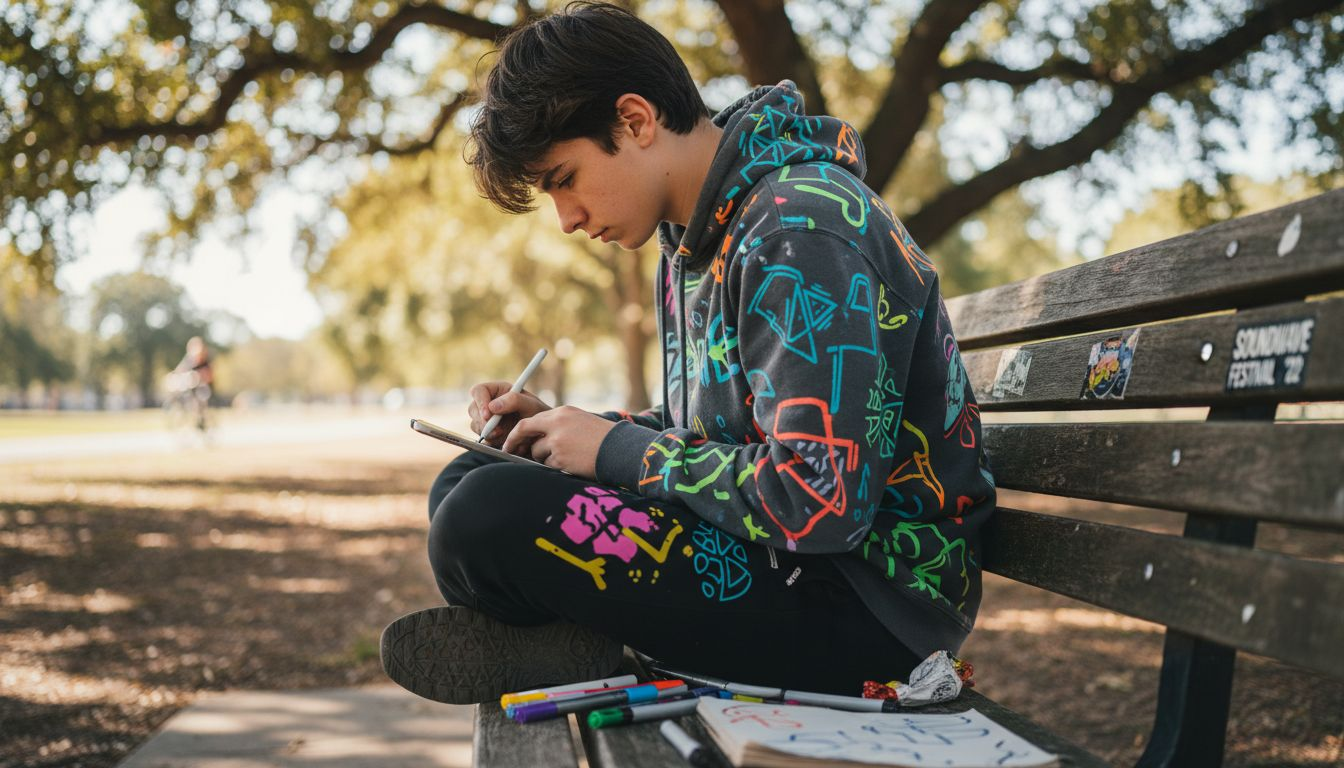
The symbiotic relationship between pop culture icons and streetwear brands generates unprecedented creative opportunities. Hip-hop, anime, gaming, and digital subcultures provide a constant stream of visual references that designers translate into compelling graphic narratives. Fashion boundaries are constantly challenged through these graphic representations, turning clothing into a medium of personal and collective storytelling.
These graphic designs do more than simply decorate clothing - they communicate complex cultural dialogues. From nostalgic references to contemporary social commentary, streetwear graphics capture the zeitgeist of each generation. Musicians, digital influencers, and underground artists become key collaborators in this visual language, ensuring that streetwear remains a cutting-edge form of personal and collective expression that transcends traditional fashion boundaries.
Pro Tip: Follow diverse creators across different cultural platforms to stay ahead of emerging graphic design trends in streetwear.
Distinctive Features and Creative Influences
Streetwear graphics embody a unique cultural identity that goes far beyond traditional fashion design. These visual narratives are deeply rooted in urban subcultures, serving as powerful communication tools that represent individual beliefs, social connections, and rebellious spirit. Unlike mainstream fashion, graphic streetwear prioritizes authenticity, personal expression, and the ability to tell complex stories through visual design.
The creative influences driving graphic streetwear are multifaceted, drawing inspiration from diverse cultural movements. Hip-hop, skateboarding, anime, and digital art converge to create a rich tapestry of visual storytelling. Cultural movements shape graphic design by challenging traditional fashion norms, transforming clothing into a canvas for social commentary and personal rebellion. Independent artists, musicians, and underground creators play a crucial role in pushing these creative boundaries.
Distinctive features of graphic streetwear include its emphasis on exclusivity, limited editions, and brand narrative. These designs are not just clothing but statements of belonging, representing community values and individual identity. The graphics often incorporate elements of nostalgia, contemporary social issues, and personal symbolism, creating a dynamic and constantly evolving visual language that resonates with young, creative audiences.
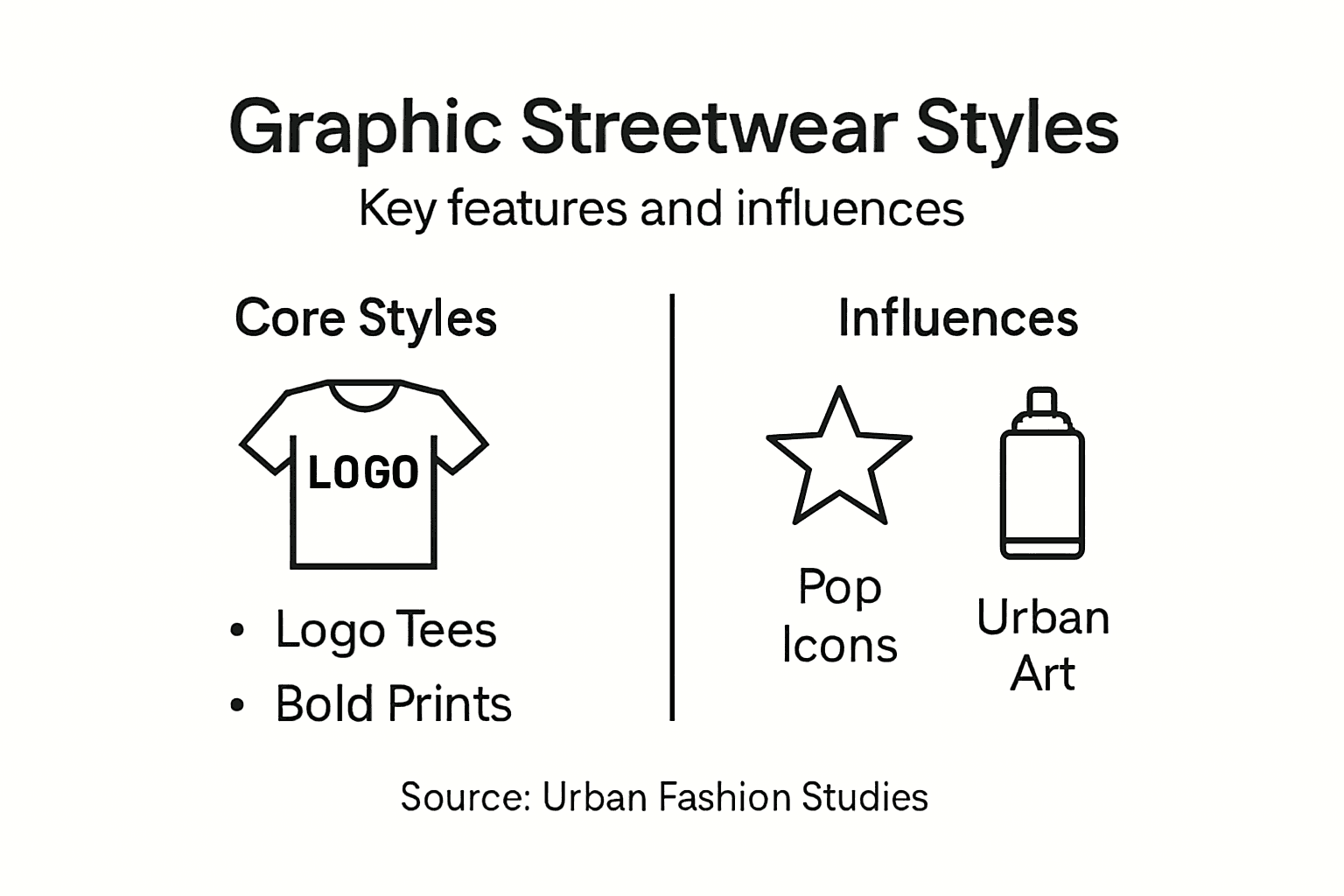
Pro Tip: Collect and study graphic designs from different cultural movements to develop a more nuanced understanding of streetwear aesthetics.
Common Mistakes When Buying or Styling
Streetwear newcomers often misunderstand cultural significance by treating graphic apparel as merely trendy fashion accessories. The most critical error is purchasing items without understanding their deeper cultural context, leading to inauthentic representations that lack genuine connection to the streetwear ethos. Authentic streetwear demands more than just wearing a graphic - it requires understanding the narrative and cultural roots behind each design.
Styler errors frequently emerge from prioritizing brand names over personal expression and misunderstanding graphic design integration. Many enthusiasts overcrowd their outfits with competing graphic elements or choose pieces that don’t harmonize with their personal aesthetic. Streetwear demands nuanced styling that balances statement pieces with individual comfort and cultural respect, avoiding the pitfall of looking like a walking billboard rather than a genuine cultural participant.
Beyond visual aesthetics, technical mistakes include neglecting proper fit, fabric quality, and understanding how different graphic styles complement each other. Authentic streetwear requires careful curation that reflects personal identity, cultural understanding, and a sophisticated approach to visual storytelling. Successful styling means creating a cohesive narrative through clothing that speaks to your individual experiences and cultural connections.
Compare common streetwear buying mistakes with recommended approaches for authenticity:
| Common Mistake | Authentic Approach |
|---|---|
| Buying by trend, not meaning | Research design’s cultural context |
| Overcrowding with graphics | Curate one statement piece per look |
| Prioritizing brands over story | Choose items reflecting your values |
| Ignoring fit and material | Ensure comfort and quality fabrics |
Pro Tip: Research the origins of graphic designs and cultural movements before purchasing to ensure your streetwear choices reflect genuine understanding and respect.
Express Your Unique Story Through Graphic Streetwear Today
Understanding the true meaning behind graphic streetwear is the first step to authentic style. If you’ve felt the challenge of finding apparel that genuinely reflects your personal narrative and cultural interests rather than just fleeting trends, you are not alone. The article highlights the importance of selecting pieces that speak to your identity and community, avoiding common mistakes like overcrowding your look or neglecting the cultural context of the designs. At IGZ Clothing, we perfectly align with this vision by offering a carefully curated collection of graphic t-shirts, hoodies, and accessories inspired by anime, gaming, hip-hop, and pop culture influences that form the backbone of streetwear graphic art.

Dive into a world where limited editions and exclusive collections empower you to showcase your passion and individuality. Take advantage of our 30 percent off plus free shipping offer when you shop now at IGZ Clothing. Start exploring our range of styles that celebrate the cultural roots of streetwear while giving you the freedom to create your own visual narrative. Don’t settle for fast fashion. Choose pieces that tell your story. Visit IGZ Clothing today and elevate your streetwear game with authenticity and creativity.
Frequently Asked Questions
What is graphic streetwear?
Graphic streetwear is a style of clothing that uses bold illustrations, provocative logos, and intricate graphics to express identity, creativity, and social commentary. It transforms apparel into wearable art and communicates personal perspectives and cultural experiences.
Why does graphic streetwear matter in modern culture?
Graphic streetwear serves as a vibrant cultural language that reflects urban youth subcultures and their narratives. It allows individuals to showcase their values and interests, contributing to a broader dialogue about identity, creativity, and societal issues.
How do graphic designs influence personal expression in streetwear?
Graphic designs in streetwear function as communication tools that represent individual beliefs and community connections. Through creative visuals, wearers convey personal stories and cultural significance, turning clothing into powerful statements.
What are some key elements to consider when styling graphic streetwear?
When styling graphic streetwear, it’s important to choose pieces that reflect your personal narrative, balance statement items with comfort, and research the cultural significance of the designs to ensure authentic representation.